Filmography
Explore Probir Mitra’s cinematic journey, memorable roles, directors, films and screen legacy.
Film Debut & Wartime Struggles
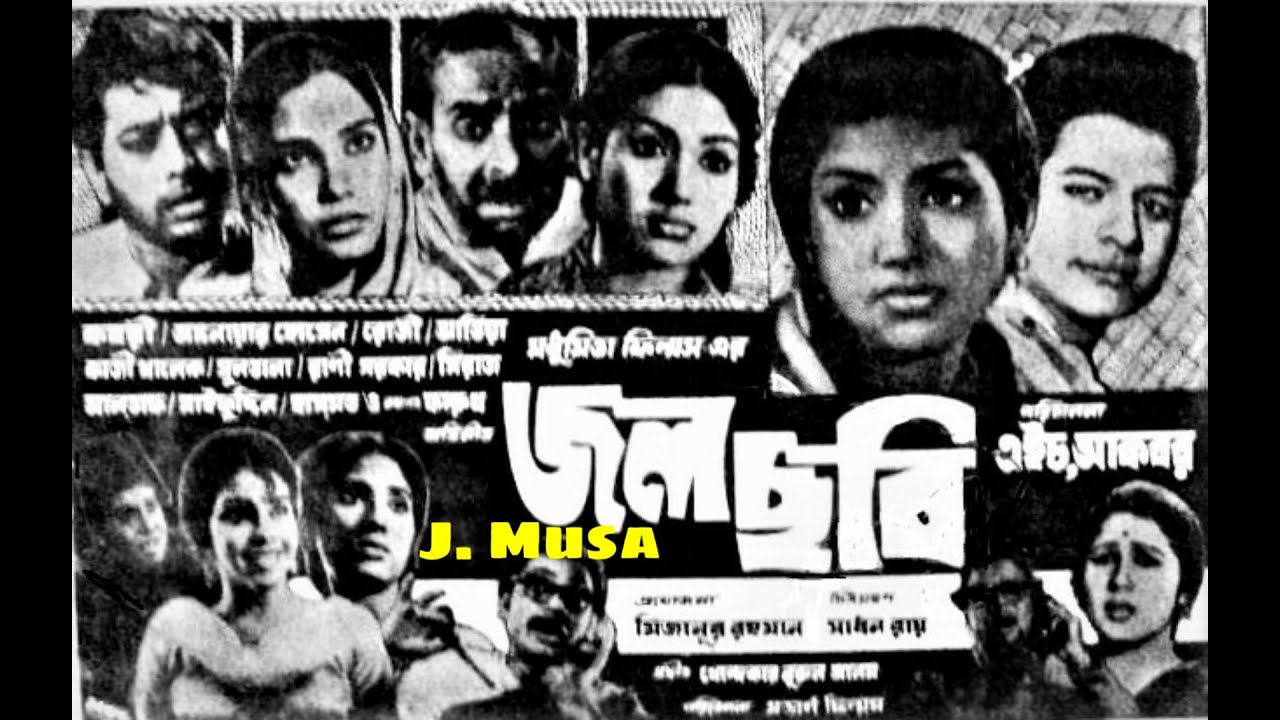
In 1969, director H. Akbar invited him to visit the set of Jolchhobi. When the actor assigned to play a doctor suddenly became ill, Mitra was asked to step into the role. He accepted the opportunity and faced the movie camera for the first time. The film featured Farooq, Kabori Sarwar and Anwar Hossain, while its screenplay and dialogue were written by Mitra’s former Pogose School classmate and lifelong friend ATM Shamsuzzaman. Jolchhobi also marked an important early milestone in the careers of several people who would later become celebrated figures in Bangladeshi cinema.
The film reached cinemas in early 1971, at a time when East Pakistan was experiencing intense political unrest and moving rapidly toward war. Only days before the military crackdown, audiences were introduced to Probir Mitra on the big screen. However, the celebration of his cinematic debut was soon overshadowed by one of the darkest chapters in the country’s history.
Following Operation Searchlight on the night of 25 March 1971, Dhaka became increasingly dangerous. Members of Mitra’s family sought safety in Kolkata, while he initially took shelter at his ancestral home in Keraniganj. He later crossed the border into India and spent nearly two years there amid uncertainty, displacement and financial hardship. The emerging actor who had just begun to imagine a future in cinema suddenly found himself separated from his homeland and without any assurance that his career would continue.
Mitra returned to independent Bangladesh in 1973. The country he came back to had been devastated by war: the film industry was struggling, employment opportunities were limited, and many artists were attempting to rebuild their lives. He effectively had to begin his career again from the ground up. The experience of displacement, survival and reconstruction would later contribute to the emotional honesty, restraint and realism that became defining qualities of his performances.
Resurgence & Rise
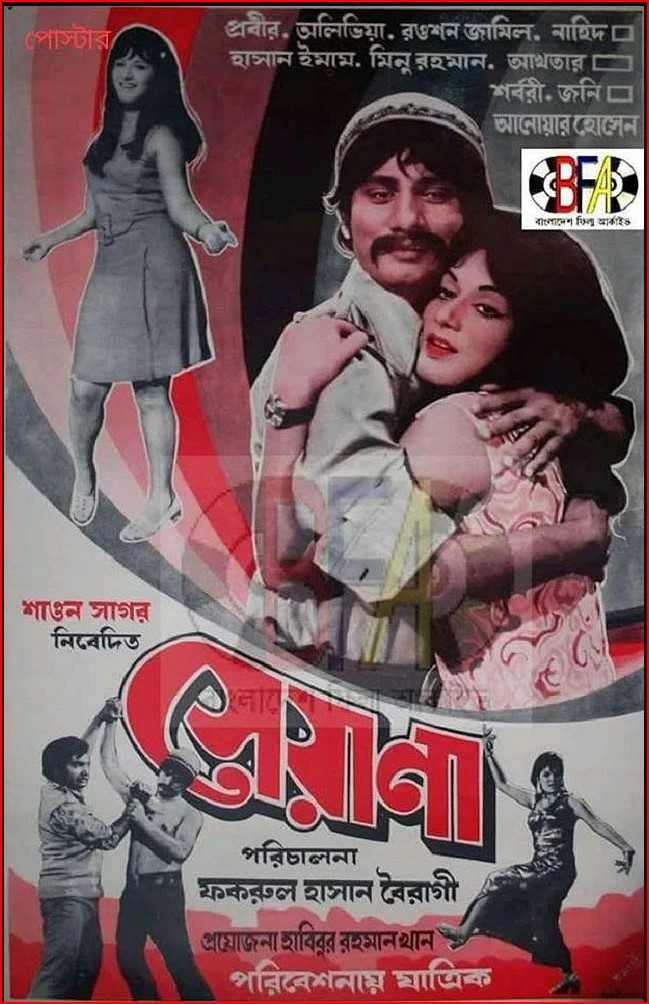
The film’s song “E Adhar Kokhono Jabena Je”, picturised on Mitra and Suchanda, became widely popular. Sung by Nilufar Yasmin and Mohammad Abdul Jabbar, the song strengthened Mitra’s connection with audiences and helped re-establish him in the newly independent country’s film industry.
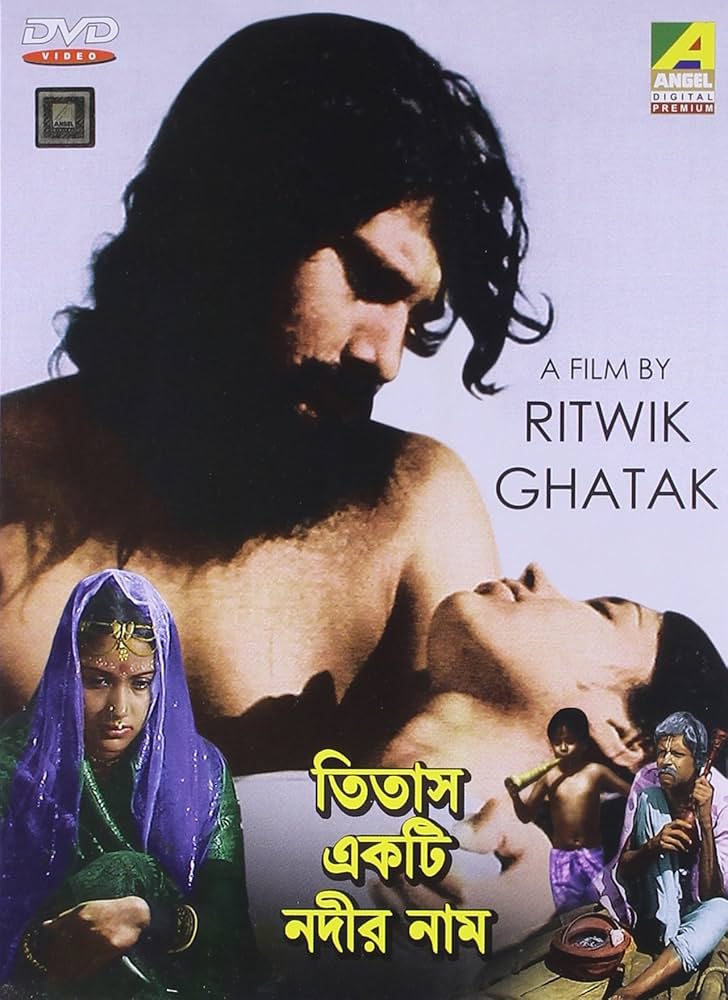
A major artistic breakthrough came with Ritwik Ghatak’s Titas Ekti Nadir Naam (তিতাস একটি নদীর নাম) in 1973. Based on the celebrated novel by Adwaita Mallabarman, the film explored the lives, relationships and gradual disintegration of a fishing community living beside the Titas River. Mitra played Kishore, a fisherman whose marriage, separation and descent into psychological instability form one of the film’s most tragic narrative threads. The performance remains one of his most important early leading roles.
Working under a filmmaker of Ritwik Ghatak’s stature gave Mitra an opportunity to participate in a work of lasting international significance. Titas Ekti Nadir Naam later became recognised as a landmark of Bengali and Bangladeshi cinema, introducing generations of viewers to Mitra’s ability to portray grief, madness and human helplessness with remarkable intensity.
Leading Roles & Transformation
Rather than limiting himself to conventional heroic characters, Mitra gradually moved toward supporting and character roles. This transition ultimately established his unique position in Bangladeshi cinema. He played fathers, brothers, teachers, landlords, officials, village elders, religious figures, comic personalities and morally complex antagonists with equal conviction.
His performances rarely depended on theatrical gestures or exaggerated dialogue delivery. Instead, he relied on facial expression, pauses, voice modulation and close observation of ordinary people. Directors came to regard him as a dependable performer who could add credibility and emotional weight to even a relatively brief role. Fellow actor Uzzal later recalled that Mitra’s authenticity, professionalism and ability to make every character feel real earned him the confidence of directors, producers and colleagues across the industry.
Prolific Filmography
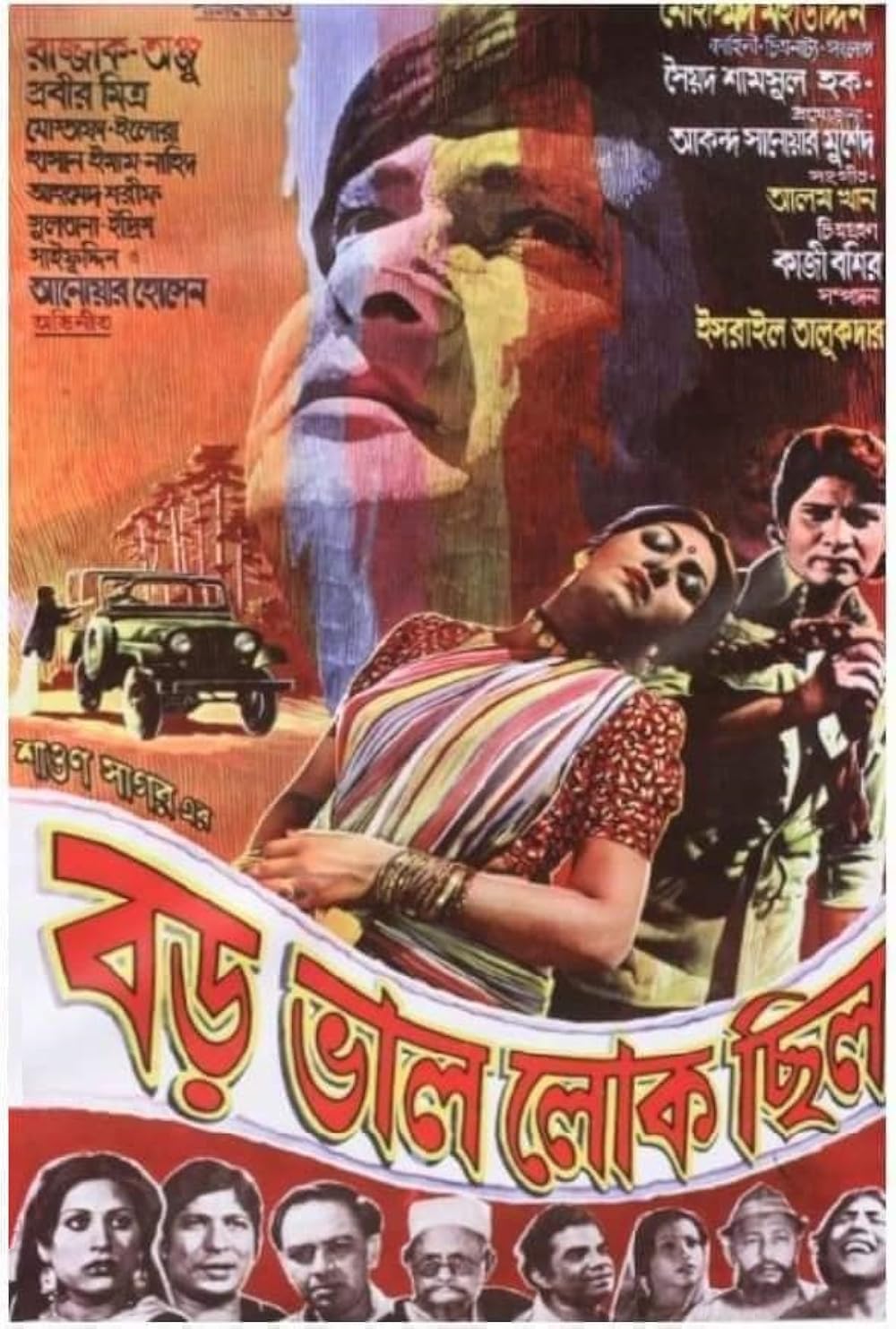
Titas Ekti Nadir Naam, Jibon Trishna, Chabuk, Seyana, Jaliat, Fariyad, Rokto Shopoth, Charitrohin, Joy Porajoy, Angaar, Mintu Amar Naam, Madhumita, Fakir Majnu Shah, Ashanto Dheu, Alankar, Anurag, Protigya, Tarulota, Gayer Chele, Putrobodhu, Nawab Sirajuddaula and Boro Bhalo Lok Chhilo.
He worked with several generations of celebrated directors, actors and technicians. His career stretched from the formative years of pre-independence Bengali cinema through the golden era of Bangladeshi film and into the modern digital period. He also continued appearing in later productions such as Gautam Ghose’s Shankhachil, demonstrating the extraordinary longevity of his screen career.
By the end of his career, Mitra had acted in more than 400 films, making him one of the most prolific performers in the history of Bangladeshi cinema. His body of work covered commercial entertainment, literary adaptations, historical dramas and socially conscious films.
Awards & National Recognition
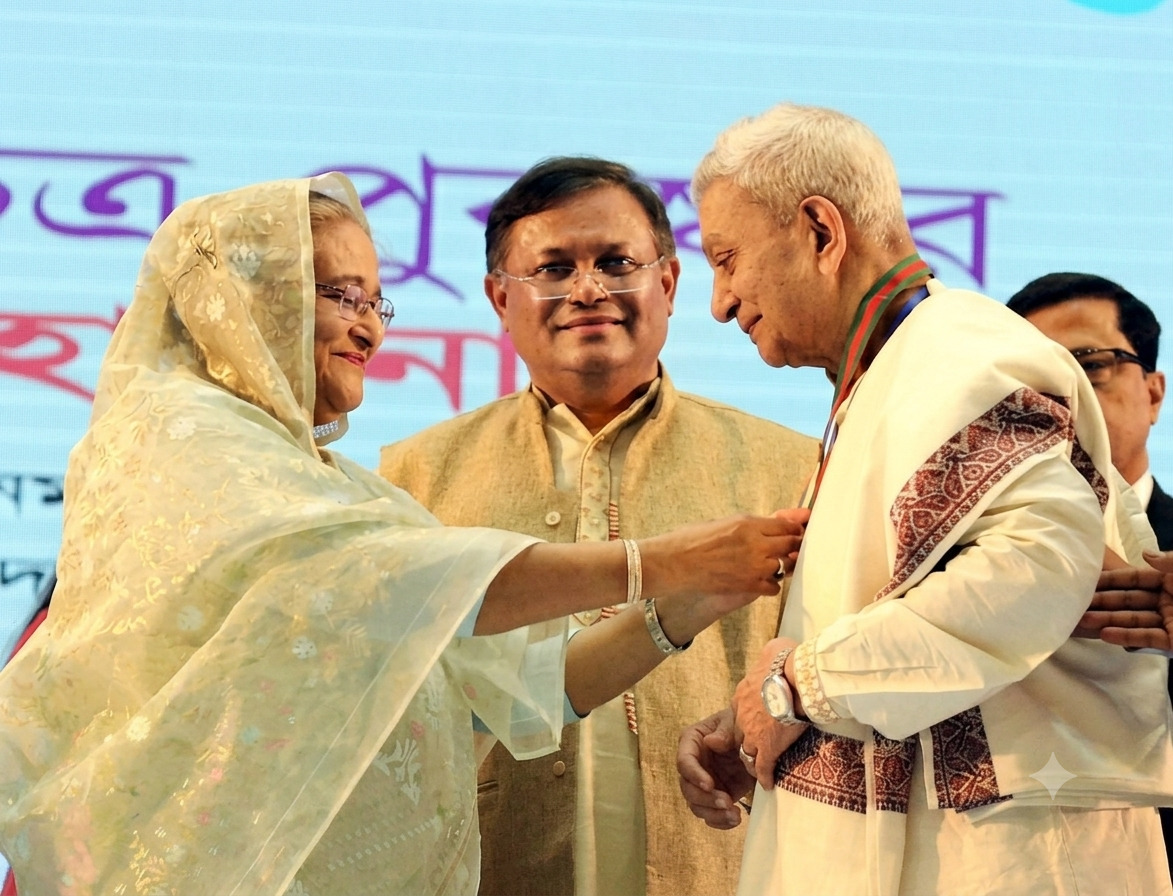
Decades later, he was honoured with the Bangladesh National Film Award for Lifetime Achievement for 2018, recognising his enduring contribution to the nation’s film industry. The honour celebrated not merely the number of films in which he appeared, but also his versatility, professionalism and ability to remain relevant across changing generations of Bangladeshi cinema.
Acting Legacy
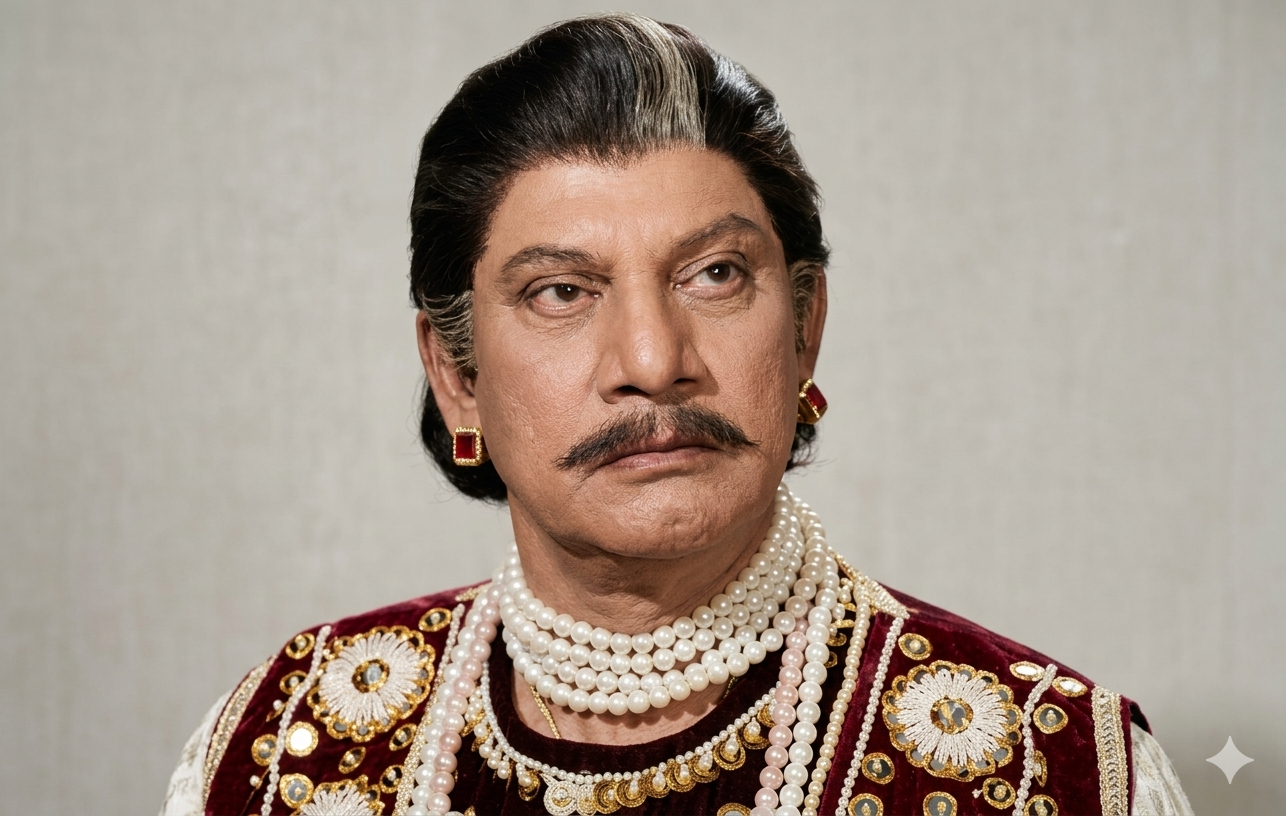
Probir Mitra’s greatest achievement was his ability to disappear into a character. Whether appearing as a leading man or in a supporting role, he brought dignity and emotional truth to the screen. He could be affectionate, authoritative, humorous, vulnerable or intimidating without allowing the performance to feel artificial. His career also reflected the history of Bangladesh itself—from the political tension preceding independence and the destruction of the Liberation War to the rebuilding and expansion of the national film industry. Having lost the momentum of his earliest career to war, he returned, rebuilt his life and ultimately became one of the country’s most familiar and respected screen personalities. More than a prolific actor, Probir Mitra became an essential part of Bangladesh’s cinematic memory. His grounded performances, professional integrity and vast collection of characters ensured that his work would continue to connect with audiences long after his final appearance.
A Career Across Generations
A curated selection from the complete film archive.